




Five Years of Building, Learning, and Imagining the Future of Open Mapping in Asia–Pacific
Posted by Nama Raj Budhathoki • Dec. 17, 2025
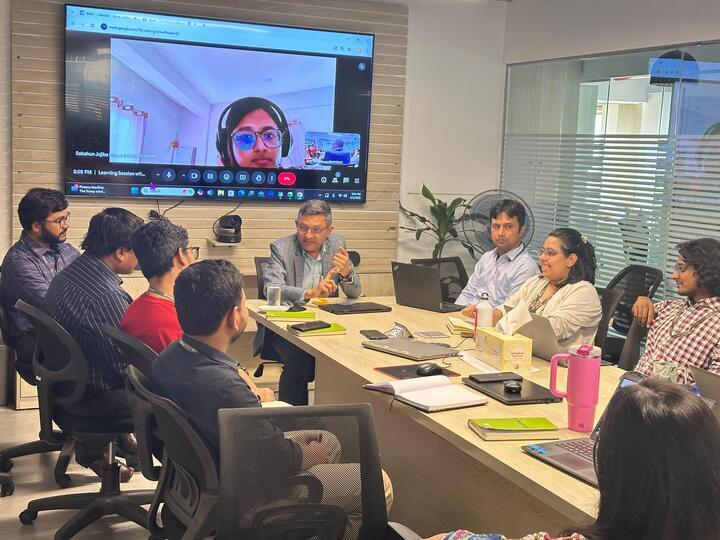
As I prepare to transition out of my role as HOT’s inaugural Regional Director for Asia–Pacific in January 2026, it feels like the right moment to reflect on the extraordinary journey we have taken together. When I joined HOT five years ago, the “hub model” existed only on paper. We had no regional teams, no templates, and no blueprint for what a distributed hub network could become. Today, the Asia–Pacific Hub stands as a vibrant ecosystem of mappers, communities, and partners, who believe in the power of open map data to strengthen resilience and improve lives. I am deeply grateful to all who helped make this possible.
Over these five years, the Hub has grown in ways none of us imagined at the beginning. Together, we have supported more than a dozen community and inclusion-focused initiatives, helped train over 4000 people with over 700 learners through women-led programs. We have witnessed the emergence of new OSM communities across the region, from North East India to UP Mindanao in the Philippines, and early groups in Myanmar, Laos, and Afghanistan. Partnerships with NGOs, universities, governments, and social enterprises have also enabled open map data to address a wide range of issues from evacuation planning in Timor-Leste to mangrove conservation in Indonesia to dengue prevention in Bangladesh.
Although my own journey as the regional director with HOT spans five years, the story of open mapping in Asia–Pacific is much longer. To understand this broader arc, I recently carried an exploratory study to understand contribution trends across a full decade (2015–2025). The findings reveal a movement that is energetic but still fragile in several countries, contribution patterns characterised by disaster-driven peaks, project-based surges, and uneven baseline activity. Many communities continue to struggle with volunteer retention, governance, and what interviewees repeatedly described as the “use-case”—the gap between mapping and actual use of the data. When contributors rarely see their data in action, sustaining motivation is difficult, and institutional adoption remains limited.
Yet this moment is also one of great possibilities. Across the region, we can see clear signs of maturation: stronger university networks, emerging local champions, more deliberate partnerships, and early professional pathways for mappers. The region’s potential, given its population size, climate vulnerability, and rapidly expanding digital capacity, is immense.
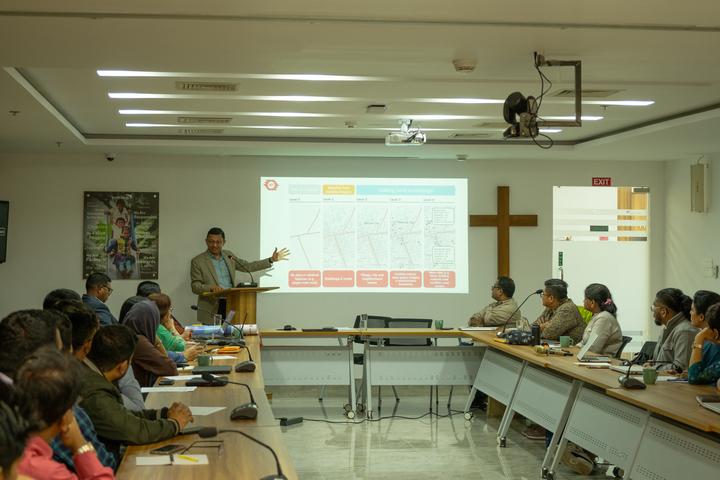
As I look ahead, I believe three priorities will shape the next chapter of OSM in Asia–Pacific.
First, we must move beyond “more mapping” toward “meaningful mapping”. Data that is effectively used, maintained, and trusted has far greater impact than sheer volume. Closing the “use-case” gap will be essential for sustaining both mappers and map users. It is also important to recognize that OSM offers enabling characteristics that extend well beyond disaster response, much like physical infrastructure such as roads or electricity grids. Its openness and accessibility make it a foundational asset for economic activity, service delivery, and development planning. OSM’s role as an enabling infrastructure for livelihoods and local economies could be an interesting direction to explore.
Second, our incentive and recognition systems must reward long-term stewardship. Quiet, consistent contributors, mappers, validators, and community organizers, are the foundation of this movement. Their efforts deserve more visibility, more meaningful recognition, and clearer pathways to leadership and professional growth.
Finally, we must strengthen leadership and build community systems that outlast individuals and specific projects. Strong communities need shared norms, clear roles, and resilient ways of working that help the movement endure and grow over time.
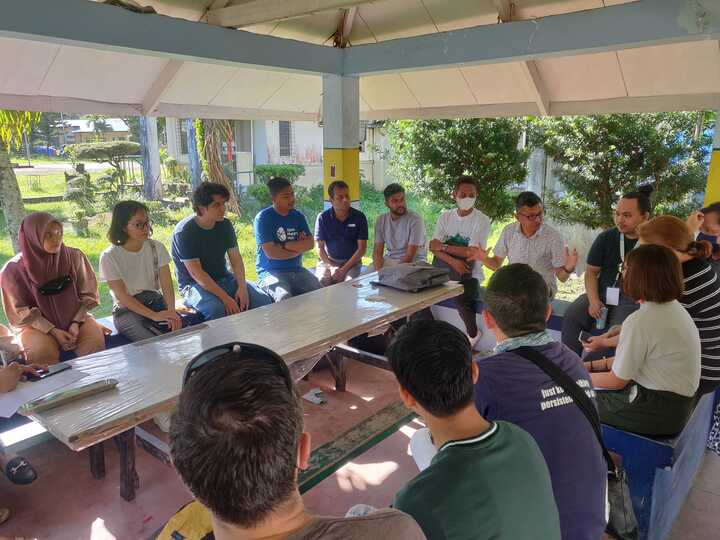
Although I am stepping away from my formal role as the regional director, my connection to this movement will remain in different ways. It has been a privilege to walk alongside you, as colleagues, partners, community members, and friends.

Paul Uithol, was until recently interim Director for the Eastern and Southern Africa Hub, will be stepping in as the interim AP Hub director. Paul brings over 11 years of experience at HOT and over 20 years in digital mapping, open data, and GIS. He has led mapping programs across Africa, Asia, and the Caribbean, blending technical expertise with a deep commitment to local capacity-building and the use of open geospatial data for impact. I have full confidence that the Hub will keep thriving under his guidance.
I look forward to cheering for HOT and the Asia–Pacific mapping community as it enters its next chapter!
Nama Budhathoki
Share